Desk Mat vs Mouse Pad vs Wrist Rest: Which One Do You Actually Need?
Published by the DEMON CHEST Editorial Team. Product links refer to our brand catalog; external research is identified separately. Authorship and sourcing policy.
Quick Answer
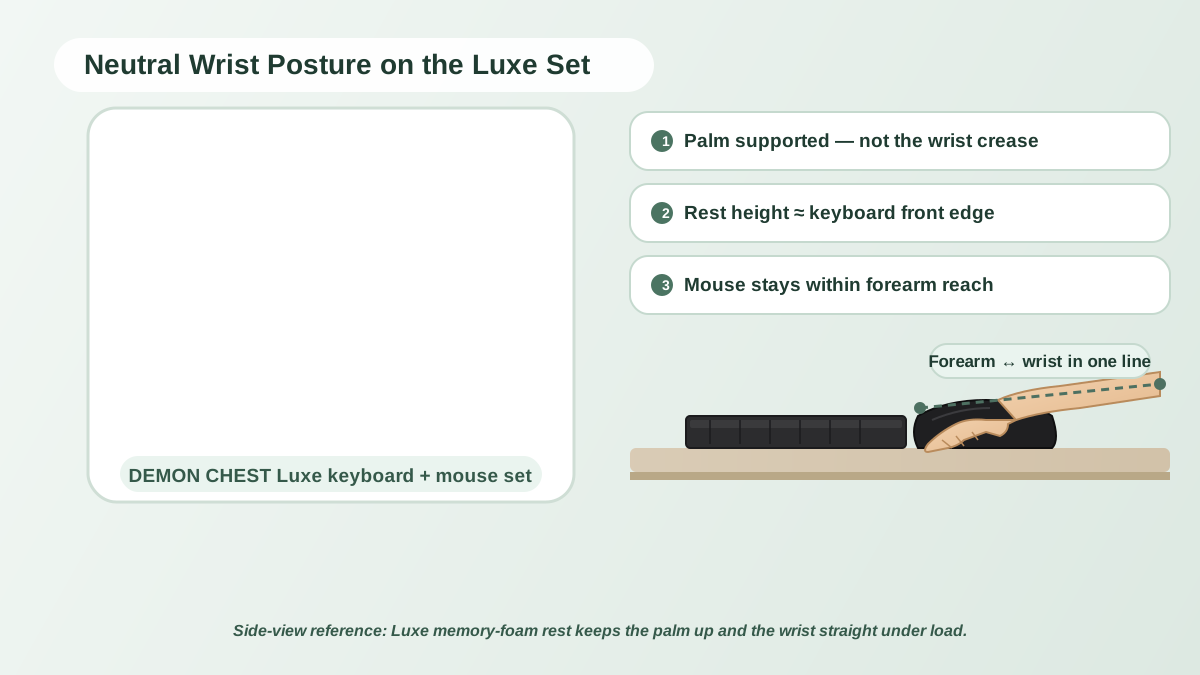
A desk mat covers a wider desk area, a mouse pad provides a dedicated tracking surface, and a wrist rest adds a raised support. They can be used separately or together, depending on the tasks and workspace. None should be selected as a guaranteed treatment for wrist pain.
Desk mats
Compare a desk mat for writing space, finish protection, appearance, and the room used by keyboard and mouse. Surface texture and device tracking can differ. A large mat does not automatically include a raised support, and a raised support is not required for every user.
Mouse pads
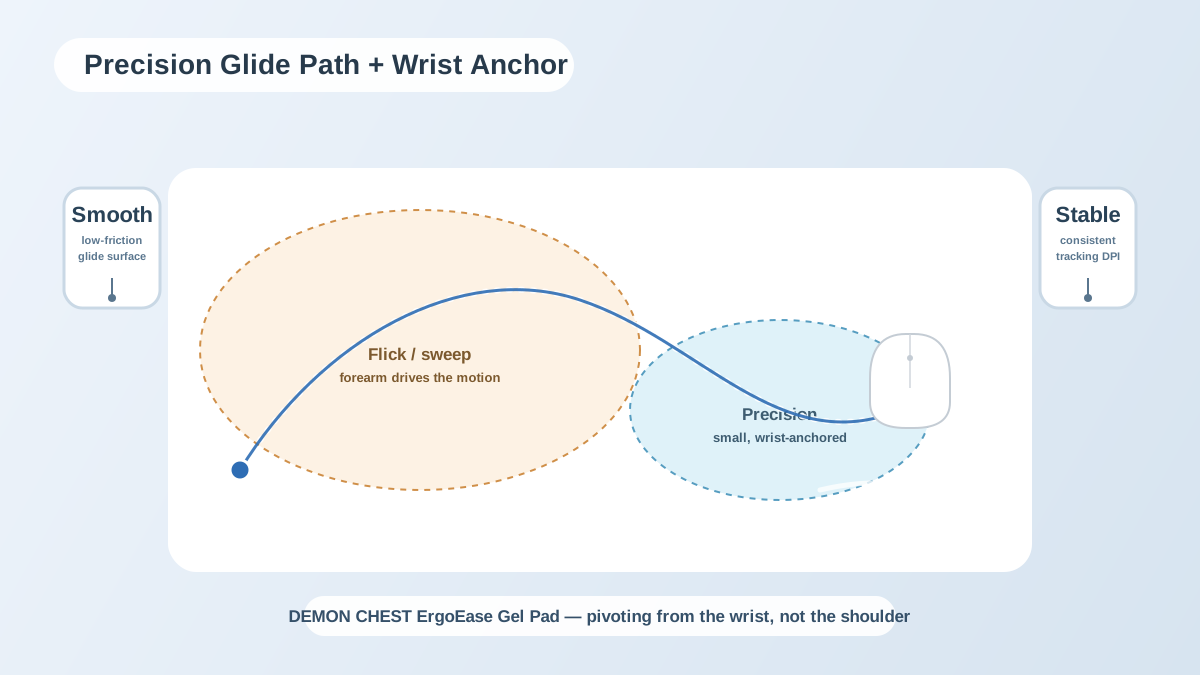
Compare the tracking surface, footprint, base, and room for movement. Some pads include a rest. Use the actual mouse with the surface rather than assuming that every pad improves every device's tracking.
Wrist rests
Compare height, shape, cover, and placement. A support should allow comfortable movement rather than force the hand into a bend. OSHA's wrist/palm guidance describes rests in the wider workstation, with light heel-of-hand contact during pauses.
A mouse pad with wrist rest combines two functions; a keyboard and mouse set offers separate pieces. Each piece must still fit the equipment. A matching design does not establish medical benefit.
Combining accessories
A desk mat and a mouse pad can be combined if the arrangement remains stable and fits the movement space. Stacking changes the working height, so check it rather than assuming the resulting setup is more ergonomic.
| Goal | Compare |
|---|---|
| Wide writing or desk-cover area | Desk mat |
| Dedicated mouse tracking area | Mouse pad |
| Optional support during pauses | Separate or integrated rest |
| Coordinated keyboard and mouse accessories | Wrist rest set |
| Compact combined mouse surface and rest | Mouse pads |
Catalog examples
The ErgoComfort Black pad, office-work collection, and keyboard wrist rest collection offer options to compare. These examples do not represent a first-hand desk setup, documented test, or clinical ranking.
Symptoms and fit
A product purchase cannot identify the cause of pain, tingling, numbness, or weakness. Seek clinical advice for persistent or worsening symptoms rather than treating desk-mat or wrist-rest selection as treatment.
FAQ
Can a desk mat substitute for a mouse pad?
It depends on device tracking, texture, movement space, and preferences. Test the actual combination.
Does everyone need a wrist rest?
No universal requirement is established. Compare fit and freedom of movement with the support in place.
Will a combined setup prevent wrist pain?
Prevention is not demonstrated for these accessories. Comfortable fit and medical outcomes are separate questions.
Related Articles
Editorial correction — 2026-10-07
This article now uses brand-team authorship. Unsupported personal credentials, clinical-review labels, first-hand testing claims, and outcome promises were removed or qualified where present. General product-fit advice is distinguished from research evidence. The original publication date is unchanged.