Keyboard and Wrist Rest Combos for Wrist Pain (2026)
Published by the DEMON CHEST Editorial Team. Product links refer to our brand catalog; external research is identified separately. Authorship and sourcing policy.
Quick Answer
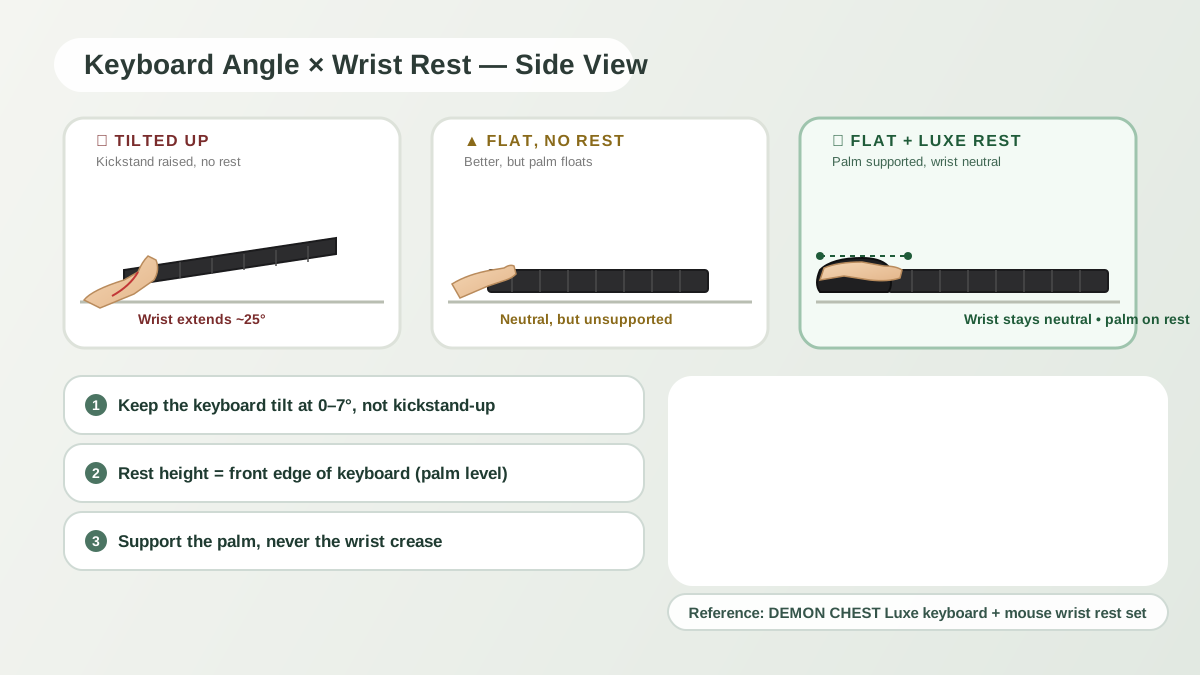
Keyboard shape, placement, height, and individual comfort all matter when comparing a keyboard wrist rest. Match a support to your equipment and hand position rather than treating a new keyboard or rest as a cure for wrist pain. Persistent symptoms deserve clinical advice.
Check placement before buying
Review whether the keyboard is within comfortable reach and whether its position requires a sustained wrist bend. A different keyboard may change the fit, but no single accessory addresses every source of discomfort.
A wrist rest for computer keyboard is optional. If it is too high, too low, or obstructs movement, it may be unsuitable for the setup. Compare the rest with the keyboard's front height and slope; there is no universal five-millimeter threshold or medically validated height table in this guide.
Compare keyboard types
| Keyboard type | Fit question |
|---|---|
| Low-profile or chiclet | Is a rest useful at this front height, or does it raise the hand too far? |
| Standard mechanical | Can the keyboard position and slope be adjusted comfortably? |
| Tall gaming keyboard | Do raised feet create an uncomfortable angle for your setup? |
| Split keyboard | Does the layout fit your reach, hand position, and typing habits? |
Consider individual preference and task requirements. A split layout or low-profile design is not automatically a treatment for symptoms.
A combined set
A mouse and keyboard wrist rest set provides coordinated pieces, but each piece still needs to fit its equipment. Matching appearance or materials does not guarantee symmetrical posture or suitability.
Compare the ErgoComfort Pink Serenity set, ErgoEase Onyx Black set, and Lavender Haze set against your actual setup. Browse wrist rest sets for the full catalog.
Use and symptoms
OSHA's keyboard guidance describes placement and posture considerations. Hands should remain free to move during typing. Use a rest for pauses without pressing the wrist into a hard edge or cushion.
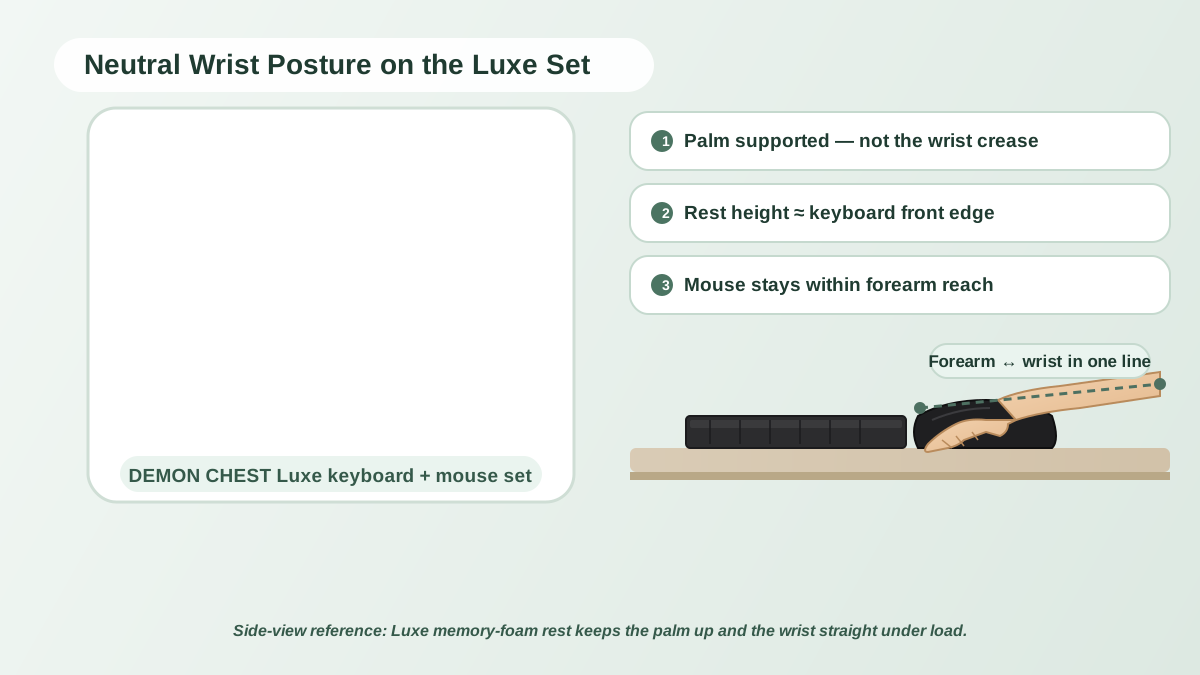
A keyboard wrist support does not establish prevention or pain relief. Seek advice for ongoing or worsening pain, numbness, tingling, or grip weakness. NHS carpal tunnel information describes common symptoms; this article cannot diagnose them.
FAQ
Does a touch-typist need a wrist rest?
Not necessarily. Suitability depends on the equipment and hand position, not a universal typing-hour threshold.
Is gel better than memory foam?
Neither material is clinically ranked here. Compare height, shape, feel, surface, and care. See gel vs memory foam.
Should both rests have the same material?
Matching materials are a preference, not a requirement. Evaluate the mouse and keyboard pieces separately.
Related Articles
Editorial correction — 2026-10-07
This article now uses brand-team authorship. Unsupported personal credentials, clinical-review labels, first-hand testing claims, and outcome promises were removed or qualified where present. General product-fit advice is distinguished from research evidence. The original publication date is unchanged.